Review of carbon removals by direct ocean carbon capture and storage (EU CRCF)
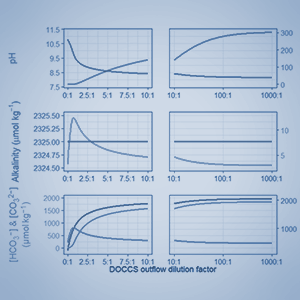
Direct ocean carbon capture and storage (DOCCS) is a carbon dioxide removal method in which the pH of seawater is manipulated to extract carbon which can then be stored (e.g. through geological CCS). The seawater experiences a carbon deficit and draws CO2 out of the atmosphere. Typically, electrochemistry is used to separate seawater or brine into acid and base parts; the acid part is used to acidify seawater drives off CO2 for capture, and the base part is then mixed back in to restore alkalinity. This technical review presents the underlying chemistry, technologies, efficiency impacts, and sustainability implications of DOCCS.
The review was led by Martin Johnson (Ecodiversity), with key contributions from Cerulogy and Zara Popstoyanova (ICF). Its findings were presented alongside evidence from external experts and from the CRCF Expert Group on Permanent Carbon Removals at a European Commission workshop.


